Ricotta Cheese Explained: Homemade vs. Traditional & Cottage
Few cheeses evoke the same sense of creamy comfort and culinary versatility as ricotta cheese. This beloved Italian staple, with its delicate texture and subtly sweet flavor, finds its way into an astonishing array of dishes, from rich lasagna fillings to ethereal cheesecakes. But what exactly is ricotta, and how does the homemade version compare to its traditional counterpart or even its close cousin, cottage cheese? Join us as we unravel the delicious mysteries of this remarkable dairy delight.
Unveiling Ricotta Cheese: More Than Just a Filling
At its heart, ricotta cheese is a soft, fresh Italian cheese renowned for its fine, grainy, yet incredibly smooth texture. Unlike many aged cheeses, ricotta is meant to be enjoyed fresh, offering a mild, milky taste that makes it an exceptional partner for both sweet and savory ingredients. Its versatility is truly its superpower, allowing it to blend seamlessly into complex recipes while also shining brightly when served simply with a drizzle of olive oil or a sprinkle of herbs.
The name "ricotta" itself offers a fascinating clue to its origins, translating from Italian as "recooked." This hints at the traditional method of its creation, a process deeply rooted in resourcefulness and culinary wisdom that Italian cheesemakers have perfected over centuries.
The Art of Homemade Ricotta: A Shortcut to Creamy Perfection
While the traditional method of making ricotta cheese involves leftover whey, modern home cooks have discovered an incredibly satisfying shortcut that yields a fresh, creamy, and utterly delicious product. This homemade version, often referred to as milk-based ricotta, relies on just a few simple ingredients and a straightforward process that transforms everyday milk into a culinary marvel.
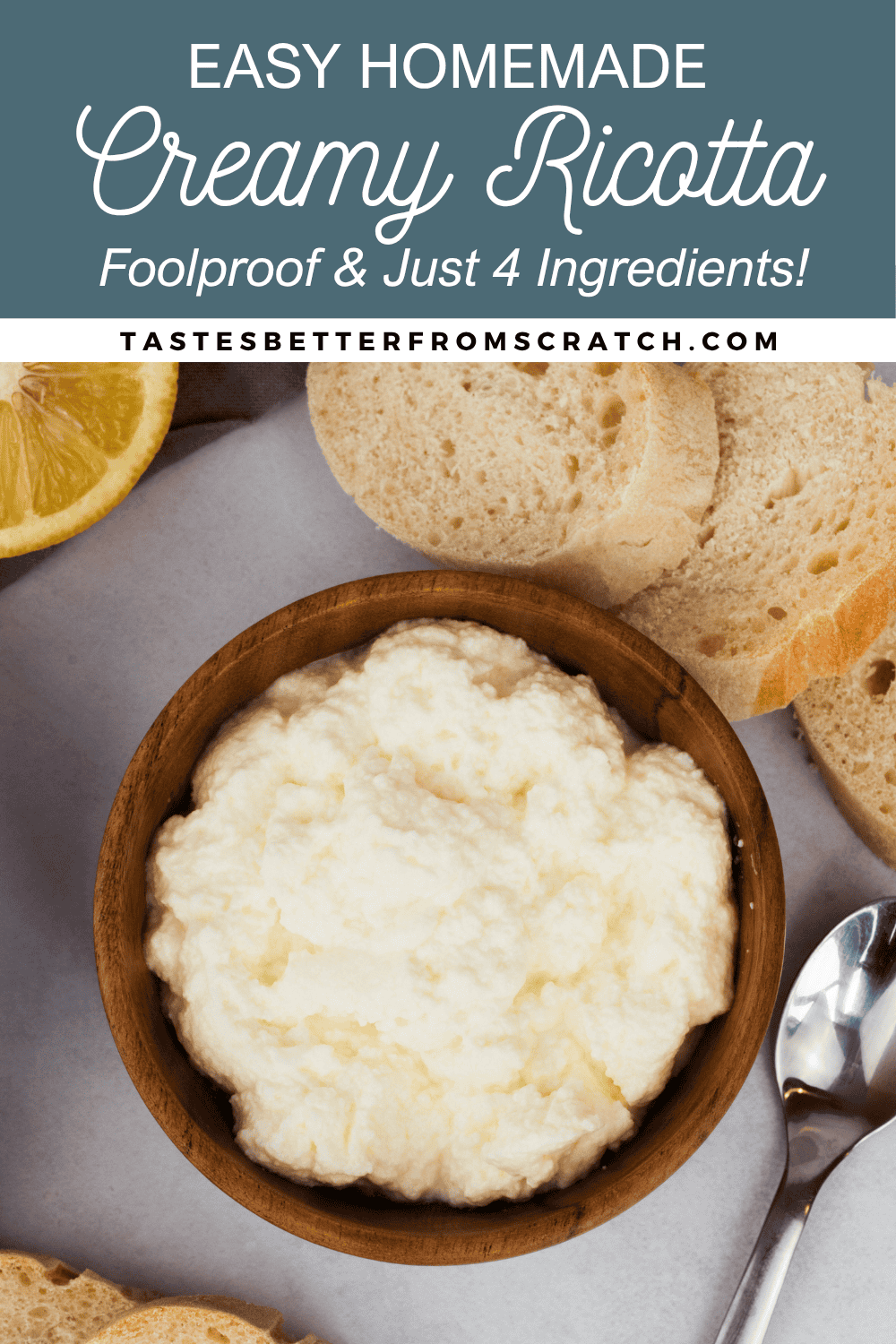
To make homemade ricotta, you typically need only three ingredients: milk, an acidic agent (like lemon juice or vinegar), and a pinch of salt. The magic happens when the milk is gently heated, and the acid is introduced, causing the milk proteins to coagulate and separate into delicate curds and a clear whey. These curds are then strained through cheesecloth until they reach your desired consistency – a process that puts you in complete control of the final product's thickness and moisture content.
The beauty of making your own ricotta cheese is in the unparalleled freshness and the ability to customize. The result is an ultra-creamy, light, and flavorful cheese that far surpasses most store-bought options. If you're eager to try your hand at this simple yet rewarding craft, you'll find a detailed guide on how to Make Creamy Homemade Ricotta: 3 Ingredients, Simple Steps.
Tips for Best Results with Homemade Ricotta
- Choose Your Milk Wisely: The type of milk you use significantly impacts your ricotta. For the best curds, avoid ultra-pasteurized milk, as its intense heat treatment alters the milk proteins, preventing them from curdling properly. Whole milk is generally recommended for its richness.
- Acid is Key: Lemon juice and white vinegar are the most common acidic agents. Some prefer a combination of both. When using fresh lemon juice, ensure it's from regular store-bought lemons, as Meyer lemons can be too sweet and alter the flavor profile.
- Boost Richness with Cream: For an exceptionally decadent and rich ricotta, consider replacing a portion of your whole milk with heavy cream. A ratio of 3 cups whole milk to 1 cup heavy cream works wonderfully to emulate an even richer texture.
- Control the Consistency: The draining time is crucial for achieving your preferred texture. For a thicker, firmer ricotta ideal for stuffing pasta or baking, drain it longer. For a softer, creamier consistency perfect for spreads or dolloping, drain it for a shorter period.
Traditional Ricotta: The "Recooked" Legacy
While homemade milk-based ricotta is a delicious and accessible option for home cooks, it's important to understand its distinction from authentic, traditional ricotta cheese. As its name "recooked" suggests, true ricotta is a byproduct, born from the leftover whey after other cheeses – such as mozzarella or provolone – have been made. Italian cheesemakers, always keen to minimize waste and maximize flavor, discovered that by reheating this nutrient-rich whey, they could coax out additional proteins and solids, forming a second, delicate curd.
This traditional method imbues authentic ricotta with a unique lightness and slightly sweet, delicate flavor that is truly distinctive. It's a testament to centuries of culinary ingenuity and a core component of sustainable cheesemaking. While the milk-based homemade version is a fantastic shortcut that produces an ultra-creamy cheese, it technically isn't "recooked" in the traditional sense, as it utilizes whole milk as its primary ingredient, rather than residual whey. However, both versions offer distinct pleasures and contribute wonderfully to the vast world of Italian cuisine.
Ricotta vs. Cottage Cheese: A Tale of Two Curds
Given their soft textures and sometimes interchangeable uses in recipes, ricotta cheese and cottage cheese are often confused. While they share a broad category of fresh, unripened cheeses, they possess distinct characteristics that set them apart.
- Origin and Production: Cottage cheese is made directly from cow's milk, where an acid or bacterial culture is added to curdle the milk, and the resulting curds are then washed to remove excess lactic acid and whey. The curds are the primary product. Ricotta, as discussed, is traditionally made from reheating the whey leftover from other cheese production, or in the homemade version, by curdling whole milk.
- Texture: This is perhaps the most noticeable difference. Cottage cheese is characterized by distinct curds, which can be small or large, often suspended in a creamy liquid. Ricotta cheese, on the other hand, boasts a much smoother, finer, and more uniform texture, often described as delicate and slightly fluffy.
- Flavor Profile: While both are mild, ricotta typically has a subtle sweetness and a richer, more profound milky flavor. Cottage cheese can sometimes have a tangier or slightly saltier profile, depending on the brand and how it's processed.
- Culinary Applications: While both can be used in savory and sweet dishes, ricotta's smoother consistency and slightly sweeter flavor lend it better to baked goods like cheesecakes and cannoli, and to creating creamy pasta fillings. Cottage cheese is often enjoyed as a standalone snack, in savory salads, or as a high-protein ingredient.
In essence, while they might occasionally stand in for one another in a pinch, ricotta's smoother, more flavorful, and slightly sweeter profile typically makes it the preferred choice for many classic Italian recipes.
Unleashing the Versatility of Ricotta: Sweet, Savory, and Simple
The true magic of ricotta cheese lies in its incredible versatility. Whether homemade or store-bought, its mild flavor and creamy texture make it a culinary chameleon, ready to enhance almost any dish. The options are genuinely endless, transforming simple ingredients into memorable meals.
Savory Applications
- Pasta Perfection: Ricotta is the star of countless pasta dishes. It's the essential filling for classic ravioli, stuffed pasta shells, manicotti, and lasagna, adding a rich, creamy counterpoint to robust tomato sauces. Even simpler, a dollop of fresh ricotta tossed with spaghetti and a drizzle of olive oil, as enjoyed by Italian nonnos, is the epitome of fresh Italian cooking.
- Hearty Mains: Incorporate it into a comforting ricotta and sausage pasta dish, or use it to bind meatballs for extra tenderness. It can even be used in savory tarts or quiches.
- Appetizers and Spreads: Serve it plain on some homemade bread with a drizzle of your finest olive oil and a sprinkle of black pepper. It makes a fantastic base for dips or can be baked with herbs and spices for an elegant spread. Don't forget crispy, fried ravioli, where ricotta takes center stage.
Sweet Indulgences
- Dessert Dreams: Ricotta shines in the world of desserts. It's the foundation for luxurious ricotta cheesecakes, lending them an airy, lighter texture than cream cheese-based versions. It's also indispensable for filling crispy cannoli shells and creating delightful lemon ricotta cookies.
- Breakfast & Brunch: Stir it into pancake or waffle batter for an extra fluffy texture, or simply serve it with fresh berries and a drizzle of honey for a light, satisfying breakfast.
The humble nature of ricotta cheese, especially when made fresh at home, invites creativity and simplicity. If you're looking for even more inspiration, explore a wide range of ideas in our article on Homemade Ricotta: Sweet & Savory Uses for Your Fresh Cheese.
From its ancient "recooked" origins to the accessible homemade versions that grace our kitchens today, ricotta cheese stands as a testament to the timeless appeal of simple, fresh ingredients. Its delicate flavor and adaptable texture make it an indispensable ingredient for countless recipes, spanning the spectrum from sweet delights to savory masterpieces. Whether you choose to embark on the rewarding journey of making your own or opt for a quality store-bought brand, embracing ricotta means inviting a touch of Italian culinary heritage and creamy perfection into your home. Buon Appetito!
