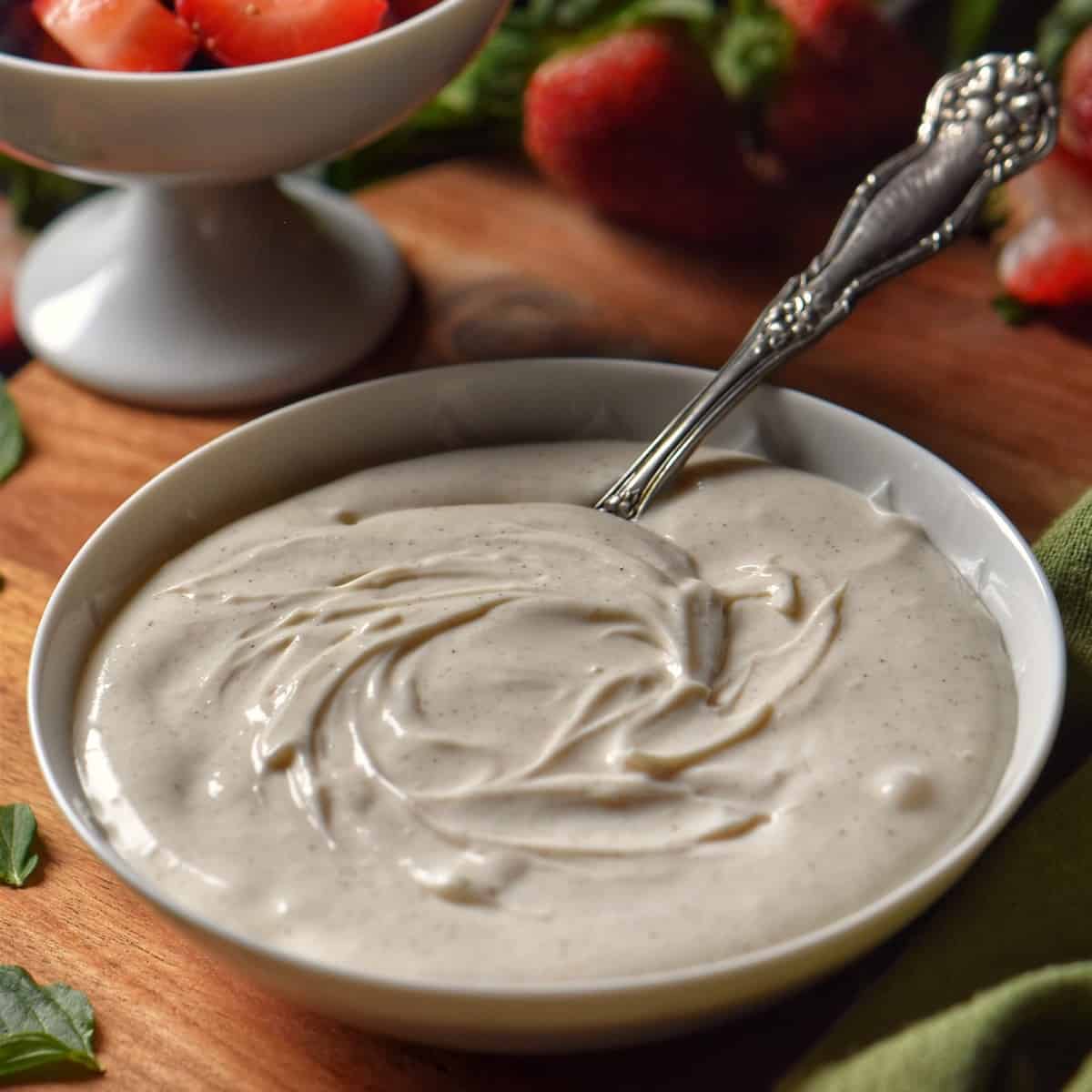
Unlock Culinary Magic: Homemade Ricotta – Your Versatile Fresh Cheese
Imagine a creamy, mild, and utterly fresh cheese that elevates everything from decadent desserts to comforting savory meals. That's the promise of homemade
ricotta cheese. While often thought of as a specialty Italian ingredient, crafting your own ricotta at home is surprisingly simple, requiring just a few common kitchen staples and a touch of patience. Beyond its ease of preparation, the true magic of homemade ricotta lies in its unparalleled versatility, offering a world of culinary possibilities that store-bought versions simply can't match.
Making ricotta at home isn't just about saving a trip to the grocery store; it's about experiencing a superior texture and a delicately sweet, milky flavor that transforms ordinary dishes into extraordinary culinary creations. Once you taste the difference, you might never go back to pre-packaged options again.
Understanding Ricotta: A Brief Clarification
Before we dive into the delicious applications, let's clarify what we're actually making. The term "ricotta" literally means "recooked" in Italian, traditionally referring to a cheese made from the whey leftover from producing other cheeses like mozzarella or provolone. This "second cooking" of the whey causes the remaining milk proteins (mainly albumin) to coagulate, forming the light, fluffy curds we know and love.
However, the easy, homemade version we're discussing today, and that many recipes refer to as "ricotta," takes a shortcut. It’s typically made by heating whole milk and then introducing an acidic agent (like lemon juice or vinegar) to curdle the milk directly. This method yields a beautifully creamy, delicate, and fresh cheese that, while technically not true "whey ricotta," shares its desirable characteristics and culinary uses. It’s an ultra-creamy, light, and versatile fresh cheese that captures the essence of what most people seek in ricotta. For a deeper dive into the distinctions, you can explore our article on
Ricotta Cheese Explained: Homemade vs. Traditional & Cottage.
The Simple Magic of Crafting Your Own Ricotta
Creating this delightful fresh
ricotta cheese at home is remarkably straightforward. The basic process involves three main components: milk, an acid, and a pinch of salt. The steps are deceptively simple:
1.
Heat the Milk: Gently heat quality whole milk (and optionally some heavy cream for extra richness) until it's just simmering, but not boiling.
2.
Introduce the Acid: Remove the milk from the heat and stir in your chosen acid – typically lemon juice, white vinegar, or a combination. This is the crucial step that causes the milk proteins to coagulate, forming distinct curds.
3.
Rest and Strain: Allow the mixture to rest for a few minutes, giving the curds time to fully separate from the pale yellow whey. Then, gently ladle the curds into a cheesecloth-lined sieve to drain.
The magic happens as the whey slowly drips away, leaving behind soft, pillowy mounds of fresh
ricotta cheese. The best part? You control the texture. Want a firmer, drier ricotta for baking? Drain it longer. Prefer a creamier, looser consistency for spreading? Shorten the draining time. For detailed instructions and step-by-step guidance, be sure to check out our guide on how to
Make Creamy Homemade Ricotta: 3 Ingredients, Simple Steps.
Tips for Achieving Ricotta Perfection
While the process is simple, a few expert tips can elevate your homemade ricotta from good to absolutely sublime:
*
Choose Your Milk Wisely: This is perhaps the most critical factor. Always opt for whole milk that is *not* ultra-pasteurized (UHT). Ultra-pasteurization denatures the milk proteins in a way that prevents proper curd formation, resulting in a significantly lower yield or no curds at all. Regular pasteurized whole milk will give you the best results.
*
Acid Options: Lemon juice and white vinegar are the most common acidic agents. Lemon juice tends to impart a subtle brightness, while vinegar creates a cleaner, more neutral flavor profile. Some chefs even prefer a combination of the two. Avoid overly sweet lemons like Meyer lemons, as their sweetness can interfere with the curdling process and the final taste.
*
Boost the Creaminess: For an exceptionally rich and decadent ricotta, consider replacing a portion of your whole milk with heavy cream. A ratio of 3 cups whole milk to 1 cup heavy cream works beautifully to create a lusciously creamy texture.
*
Control the Texture: The draining time is your lever for adjusting consistency. For a thick, drier ricotta perfect for fillings or baking, allow it to drain for several hours, or even overnight, in the refrigerator. For a softer, spreadable, or dollop-ready cheese, 30-60 minutes might be sufficient. Taste as you go!
*
Seasoning: A pinch of salt is essential to enhance the flavor, but remember you can always add more later. For some savory applications, a touch of freshly cracked black pepper or herbs can be incorporated directly into the finished ricotta.
Sweet Delights: Indulgent Uses for Your Fresh Ricotta
The mild, subtly sweet nature of homemade
ricotta cheese makes it a dream ingredient for desserts. Its creamy texture adds a beautiful richness without being overly heavy, while its delicate flavor pairs wonderfully with fruits, citrus, and chocolate.
*
Ricotta Cheesecake: This is a classic for a reason. Homemade ricotta lends an unparalleled creaminess and lightness to cheesecakes, resulting in a dessert that's rich yet incredibly smooth and less dense than traditional cream cheese versions.
*
Lemon Ricotta Cookies: Soft, cake-like cookies infused with lemon zest and the tender texture of ricotta are an absolute joy. They're often topped with a simple glaze, making them perfect for afternoon tea or dessert platters.
*
Stuffed Cannoli: While traditionally fried, ricotta is the star filling for cannoli. You can use homemade ricotta for a richer, more authentic flavor profile when piping into crisp, baked or fried pastry shells.
*
Fruit Parfaits & Breakfast Bowls: Layer fresh ricotta with berries, granola, a drizzle of honey, or a sprinkle of chopped nuts for a healthy yet indulgent breakfast or light dessert.
*
Sweetened Spreads: Whisk homemade ricotta with a touch of powdered sugar, vanilla extract, and a pinch of cinnamon or orange zest. Serve it on toast, crepes, or alongside fresh fruit for a simple, elegant treat.
*
Ricotta Pancakes or Waffles: Fold ricotta into your pancake or waffle batter for incredibly light, fluffy, and tender results. The moisture from the cheese keeps them from drying out.
Savory Sensations: Elevating Meals with Homemade Ricotta
While it shines in sweets, homemade
ricotta cheese truly excels in savory applications, bringing a creamy, earthy depth that transforms everyday dishes.
*
Pasta Fillings: This is perhaps its most iconic savory role. Homemade ricotta is the ideal filling for stuffed pasta dishes like ravioli, manicotti, and jumbo pasta shells. Its fresh flavor harmonizes beautifully with herbs like parsley and basil, and a grating of Parmesan cheese.
*
Ricotta and Sausage Pasta: A simple yet profoundly satisfying dish. Sautéed sausage (Italian sausage works wonderfully) tossed with pasta, a generous dollop of fresh ricotta, and a drizzle of olive oil creates a hearty, flavorful meal.
*
Simple Spaghetti with Ricotta: Take a cue from Italian tradition – toss hot spaghetti with a spoonful of fresh ricotta, a good extra virgin olive oil, and a sprinkle of black pepper. It's simplicity at its finest, allowing the ricotta's pure flavor to shine.
*
Bruschetta or Crostini: Spread fresh ricotta onto toasted bread, then top with roasted vegetables, a drizzle of balsamic glaze, sun-dried tomatoes, or a sprinkle of fresh herbs. It makes an excellent appetizer.
*
Lasagna and Baked Ziti: Incorporate layers of homemade ricotta into your favorite baked pasta dishes for added creaminess and a delicate texture that balances rich tomato sauces and melted mozzarella.
*
Savory Tarts and Quiches: Whisk ricotta into your quiche filling or spread it as a base in savory tarts before adding other ingredients. It adds a lovely custard-like texture and rich flavor.
*
Pizza Topping: Instead of, or in addition to, mozzarella, dollop spoonfuls of fresh ricotta onto your pizza before baking. It creates pockets of creamy goodness that melt slightly and enhance the overall taste.
Beyond the Grocery Aisle: Why Homemade Truly Wins
While store-bought ricotta is readily available, the homemade version offers a distinct advantage. Its texture is incredibly light and airy, its flavor clean and subtly sweet, without the slightly grainy or sometimes bland character that pre-packaged varieties can exhibit. When compared to cottage cheese, another soft, fresh cheese, ricotta stands out with its smoother, finer texture and naturally sweeter, milder taste. Cottage cheese typically has a more pronounced curd structure and a tangier flavor profile. Once you experience the superior quality of homemade, you'll understand why it's worth the minimal effort.
Conclusion
Making your own fresh
ricotta cheese is a rewarding culinary journey that unlocks a world of delicious possibilities. From its humble beginnings of just milk, acid, and salt, it transforms into a versatile ingredient capable of enhancing both your sweetest indulgences and your heartiest savory meals. The simplicity of the process, coupled with the superior flavor and texture of the homemade result, makes it a truly worthwhile endeavor for any home cook. So, gather your ingredients, follow a few simple steps, and prepare to be amazed by the creamy, delicate magic of homemade ricotta. Your taste buds will thank you!